
What a Home Organization System Actually Does for Your Space
Your Home Is Cluttered: Fix It With a Custom Organization System Now
A cluttered kitchen counter becomes usable again when a home organization system assigns a specific drawer for utensils and a labeled bin for baking tools. These systems rely on categorizing items by function and frequency of use, then storing them in designated zones to reduce daily search time. The core benefit is a predictable order for every possession, which streamlines cleaning and prevents future clutter by making it professional services easy to return items to their assigned place.
What a Home Organization System Actually Does for Your Space
A home organization system redefines your space by creating fixed, logical homes for every item, which eliminates visual noise and streamlines daily routines. It transforms chaotic piles into functional zones, so you no longer waste time searching for keys or wondering where to stash mail. The real effect is behavioral: when each category has a designated container and location, you naturally maintain order because it takes less effort to put things back than to leave them out. The system also maximizes usable square footage—turning a cluttered pantry into a grab-and-go setup or a messy coat closet into a seamless drop zone. Does Q&A: “How quickly does a system change daily flow?” Answer: Within days, you stop stumbling over clutter because each item has a specific return spot, reducing decision fatigue every time you walk through the room.
Eliminating Daily Clutter Without Constant Tidying
A home organization system tackles clutter at its source by creating dedicated, logical homes for every item, meaning you never need to tidy later. Strategic zoning prevents daily mess because returning a tool or document is automatic, not a decision. Does this really work without constant upkeep? How does a system eliminate clutter without daily tidying? It replaces the “tidy later” habit with instant, friction-free storage. The system does the thinking, so your space stays orderly by default, not by effort. Once established, you clear surfaces in seconds, not hours, because everything already has a designated place, eliminating the need for repeated, draining tidying sessions.
Creating a Logical Flow Between Rooms and Zones
A home organization system establishes transitional zones that link adjacent rooms by purpose, not just proximity. The kitchen flows into the dining zone via a staging counter for serving dishes, while the mudroom directly feeds the laundry area through a sorting bench. Each pathway eliminates backtracking by grouping like activities—coffee station next to breakfast cupboard, cleaning caddy between pantry and hall closet. Even a well-placed hook rail can reduce clutter by creating a temporary holding zone for items destined for the next room. The result is a choreography where every move from room to room feels intentional, not accidental.
Core Components That Make These Systems Work
The core components that make these systems work are rooted in a deliberate triage of space, habit, and visibility. First, you need
zones defined by frequency of use
, not just by room—grouping daily tools at arm’s reach and relegating seasonal gear to less accessible storage. Second, a consistent “home” for every item, enforced by physical dividers like bins or drawer inserts, stops the drift into clutter. Finally, a maintenance ritual—like a five-minute evening reset—ensures the system self-corrects before entropy takes over. Without these three anchors, any organization scheme collapses.
Storage Zones vs. Storage Containers: Understanding the Difference
Within a home organization system, storage zones and containers serve distinct roles. A zone is a designated area, defined by activity or frequency of use—like a “morning routine zone” in the bathroom. Containers are the tools that physically hold items within that zone; a caddy for toiletries or a drawer divider for makeup. Zones dictate *what* goes where for flow and logic, while containers enforce boundaries and prevent chaos. Without zones, containers scatter clutter; without containers, zones become messy piles. Understanding this difference ensures you map your space first, then select containers to enforce that functional blueprint.
The Role of Vertical Space in Maximizing Every Room
Vertical space transforms stagnant square footage into active storage, acting as the backbone of high-functioning home organization systems. By mounting shelving above countertops, installing tall bookcases against blank walls, or using ceiling-mounted racks in garages, every room gains multiplicative capacity without expanding its footprint. This approach shifts the organization paradigm from floor-level piles to a layered system where rarely-used items reside on upper tiers and daily essentials stay within arm’s reach. Neglecting vertical plane potential often forces horizontal clutter, undermining even the most thoughtful lower-level storage. Standards like adjustable track systems or modular wall grids ensure adaptability as needs evolve, preventing future disarray through deliberate elevation of every usable surface.
How Categorization and Labeling Prevent Relapse Into Mess
Categorization and labeling create a cognitive map that prevents relapse into mess by eliminating decision fatigue during tidying. Consistent labels remove ambiguity, ensuring every item has a clear, fixed home. This structured recall prevents the “just put it anywhere” trap. To implement this effectively:
- Sort all items into broad categories (e.g., kitchen tools, paperwork).
- Subdivide high-use categories into specific sub-groups (e.g., baking vs. cooking utensils).
- Apply clear, visible labels to each container or shelf.
This system short-circuits the brain’s tendency to defer decisions during chaotic moments. When the label says “baking sheets,” you never have to wonder where a muffin tin lives, making maintenance effortless and habitual.
How to Choose the Right System for Your Needs
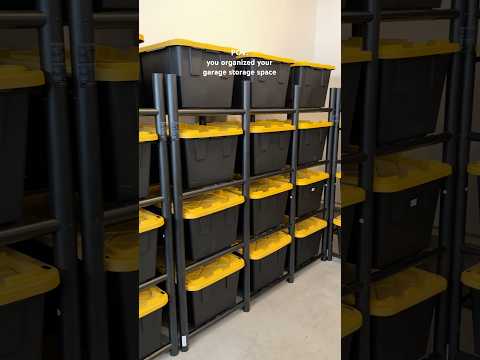
To choose the right home organization system, first audit your physical space and specific habits rather than an idealized version of your life. Measure your actual storage dimensions and categorize your belongings by frequency of use, not by what you think you should keep. The core decision is between modular systems, which offer long-term adaptability, and fixed solutions, which maximize a specific area. A key insight is that the system must fail-proof your daily routine, not look perfect in a catalog.
If a system requires a five-minute protocol to retrieve your keys, it will fail within a week.
Prioritize accessibility over aesthetics; open bins for high-use items and sealed containers for deep storage. Finally, test a small section with one purchase before committing to a whole-room overhaul.
Matching the Approach to Your Living Space Size and Layout
In a compact apartment, prioritize vertical stacking systems that use wall space for baskets and shelves, avoiding floor-based bins that crowd narrow paths. For an open-concept layout, modular dividers or low-profile cabinets can delineate zones without blocking sightlines, while a sprawling house benefits from dedicated zone-specific units (e.g., a closet system for each bedroom). A long, narrow hallway requires shallow, wall-mounted racks to maintain passage width, whereas an L-shaped kitchen corner demands a rotating carousel to utilize dead space. Always measure doorways and ceiling height before selecting units to ensure physical fit.
Considerations for Families, Minimalists, and Small Apartments
For families, a system must withstand high traffic and accommodate varied needs; opt for durable, modular bins and zone-based labeling that everyone can follow. Minimalists should prioritize open shelving and uniform containers that enforce strict curation, preventing accumulation of clutter. In a small apartment, vertical space and multifunctional furniture—like storage ottomans or wall-mounted racks—are critical to avoid floor congestion. Each scenario requires a system that adapts to the user’s life stage, not just the available square footage.
Considerations for Families, Minimalists, and Small Apartments: Prioritize durability for families, enforced curation for minimalists, and vertical efficiency for small apartments.
Modular vs. Fixed Systems: Which Adapts Better Over Time
Modular systems adapt better over time because they allow you to reconfigure components as your needs shift—adding shelves for new hobby supplies or removing bins when you downsize. Fixed systems, like built-in cabinets, offer immediate structural stability but become restrictive when storage demands change. A modular unit lets you reorganize without demolition; a fixed system often requires costly replacement. Q: Which system sustains long-term utility? A: Modular, because its adjustability accommodates evolving household phases, from kids’ toys to office gear, without locking you into a layout that may soon feel obsolete.
Step-by-Step Setup Tips for First-Time Users
Begin by physically grouping all items from one category, like papers or kitchen tools, before buying any bins. Measure your storage spaces precisely to avoid returns; overwhelming yourself with containers that don’t fit is a common pitfall. Next, label only after you assign a permanent home for each item, not before you’ve verified the flow works in daily life. Then, set up one zone completely—perhaps a single closet—before moving to the next, to build momentum without chaos. Start with a high-traffic drawer (like the entryway catch-all) to see immediate results. Achieving order is less about the perfect product and more about committing to a ten-minute reset every evening.
Starting with a Single Drawer or Cabinet to Avoid Overwhelm
Begin by selecting one drawer or cabinet to organize, rather than an entire room. This single drawer method limits the decision-making scope, reducing cognitive load and preventing paralysis. Empty the chosen space, categorize its contents (e.g., utensils or cleaning supplies), and discard duplicates. Then assign a logical home for each item, using dividers or small bins to maintain order. Completion provides immediate, visible success, building momentum for the next small zone. This iterative process ensures each decision is deliberate, transforming an overwhelming project into a series of manageable, logical steps.
Starting with a single drawer or cabinet prevents overwhelm by confining decisions to one small, manageable zone, creating immediate success and logical momentum for continued organization.
Using the One-Touch Rule to Decide What Stays and Goes
When setting up your home organization system, the One-Touch Rule dictates that you handle each item only once to decide its fate. Pick up an object and immediately decide if it stays or goes. If it stays, assign it a permanent home; if it goes, place it directly into a discard or donate box. This prevents decision fatigue and clutter from piling up. The rule forces you to commit, using instant decluttering decisions to streamline the sorting process. By touching each item just once, you eliminate the cycle of putting things down to “decide later,” which is a primary cause of organizational failure. Use this rule room by room for a systematic, efficient purge.

Maintaining the System With a Weekly Five-Minute Reset
A weekly five-minute reset functions as a low-friction audit to prevent system drift. Dedicate exactly 300 seconds each Sunday to scanning high-traffic zones, like entryway hooks or countertops, and returning misplaced items to their designated homes. This brief intervention corrects minor accumulation before it triggers a cascading disorganization. The constraint forces you to prioritize only systemic breaks, ignoring acceptable minor clutter. Over time, this logical pattern reinforces neural pathways for maintenance, eliminating the need for deeper overhauls. The reset is not a deep clean but a calibration, ensuring the system’s baseline efficiency persists without overwhelming the user.

Common Questions About Keeping the System in Place
A common question is, “What if the system stops working for me?” The answer lies in maintenance over perfection. Systems fail when you treat them as static, but life shifts—seasons change, hobbies evolve. The fix is a 15-minute weekly reset to return misplaced items to their designated homes. Another frequent concern: “Do I need to label everything?” Labels help others, but if you live alone, skip them. The true key insight is
simplicity ensures survival—a system that requires constant effort will be abandoned, so design for your laziest day.
Finally, “How do I stop clutter from creeping back?” Stop shopping for containers. Instead, remove one item for every new one that enters. This creates circulation, not accumulation, keeping your zones functional without exhausting upkeep.
What to Do When a New Purchase Disrupts Your Current Order
A new purchase often signals a need for system recalibration. First, assess if the item has a dedicated home or if it necessitates merging with existing zones. Remove something of lower utility to maintain the system’s capacity limit. For instance, a new coffee maker may replace a seldom-used gadget, keeping countertop flow intact. The disruption is a prompt to audit, not to rearrange everything. Q: Do I sell or store the displaced item first? A: Sell it immediately; storage quickly recreates the original clutter, undermining the enforced edit that protects the system’s order.
How Often Should You Rotate Seasonal Items Within the System
Rotate seasonal items within your system at the change of each meteorological season, approximately every three months, to ensure your storage remains functional. This cadence prevents clutter from lingering while keeping off-season gear accessible when needed. The sweet spot for rotation is during the first weekend of the new season, aligning with natural rhythm and cleaning momentum.
- Swap winter coats and boots for spring jackets and sandals in late March.
- Exchange summer beach gear for autumn sweaters in late September.
- Store holiday decorations immediately after the occasion to avoid overlap.
Signs Your Current Setup Needs a Small Tweak Instead of a Complete Overhaul
You don’t need to trash the whole system when just one part feels off. A clear sign is that you still use most zones daily but find yourself cramming one specific shelf or drawer. If your pantry labels are peeling or your bins are slipping out of a single cabinet, that’s a signs a small tweak is enough. The layout feels logical, yet you’re wasting five minutes hunting for scissors. Another clue: you’ve adopted the workflow but skipped fine-tuning the entryway hooks or basket sizes. When your base habits are solid and only a corner causes friction, grab a label maker or swap one basket—you’re not starting over.
| Tweak Needed | Overhaul Needed |
|---|---|
| One drawer constantly overflows | All drawers overflow |
| Labels worn but zones work | Zones never used consistently |
| System feels logical, not chaotic | System feels random or broken |
آیا این نوشته برایتان مفید بود؟